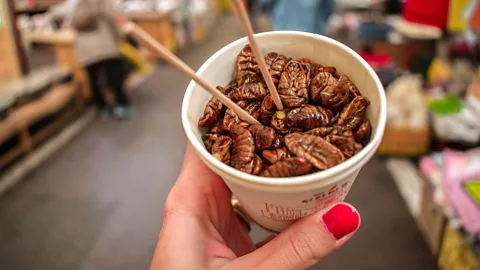
Imagine this: You’re at a trendy food festival, the kind where vendors hawk everything from artisanal cheeses to exotic street eats. I wandered up to a booth offering chocolate-covered crickets, and my buddy dared me to try one. I popped it in my mouth, expecting the worst, but it tasted like a nutty popcorn kernel with a hint of cocoa. Not bad, right? Yet, as I chewed, I couldn’t shake this weird knot in my stomach—like my brain was screaming, “What are you doing?” That moment stuck with me, highlighting how deeply wired our aversion to bugs can be. It’s not just me; billions around the world wrinkle their noses at the idea of munching on mealworms or savoring silkworms. But why? In this deep dive, we’ll unpack the layers of disgust surrounding entomophagy—the fancy term for eating insects—drawing from psychology, culture, and even evolution. We’ll explore why this reaction feels so instinctive, share real stories from folks who’ve crossed that line, and even touch on how to maybe give bugs a shot yourself. Stick around; you might just find your perspective shifting.
The Psychology Behind Our Bug Aversion
Disgust isn’t just a fleeting “ew” moment; it’s a powerful emotion hardwired into our brains to protect us. Psychologists like Paul Rozin, often called the “father of disgust,” argue that this feeling evolved as a defense mechanism against potential toxins or diseases. When it comes to insects, that response kicks in extra strong because bugs often scuttle around in filth or decay, triggering an automatic mental red flag.
Is Disgust Innate or Learned?
Picture a toddler encountering a spider for the first time—no one’s taught them to freak out, yet they might recoil instinctively. Studies suggest some aversion to creepy-crawlies could be innate, but much of it gets amplified through childhood experiences. Parents yelling “Gross, don’t touch that!” or media portraying bugs as villains in cartoons shape our views early on.
The Role of Food Neophobia
Food neophobia, or the fear of trying new foods, plays a big part here too. It’s that hesitation you feel when faced with something unfamiliar, like a wriggling larva on a plate. In Western societies, where beef and chicken reign supreme, insects fall into the “weird” category, making our brains default to rejection mode.
Cultural Influences on Insect Disgust
Culture acts like an invisible script dictating what’s dinner-worthy and what’s not. In many Western countries, insects are lumped in with pests—think cockroaches invading your kitchen or ants ruining a picnic. This association brands them as unclean, turning potential protein sources into taboo treats.
Western vs. Eastern Perspectives
Growing up in the U.S., I never saw bugs on the menu, but travel to Thailand, and fried scorpions are street food staples. Over 2 billion people worldwide eat insects regularly, from Mexico’s chapulines (grasshoppers) to Uganda’s nsenene (bush crickets). The divide often stems from historical abundance: In regions with scarce large game, bugs became reliable grub.
Media and Pop Culture’s Impact
Movies like “The Fly” or reality shows where contestants gag on bugs for laughs reinforce the yuck factor. Remember that episode of Fear Factor? It turned eating insects into a spectacle of horror, embedding the idea that bugs equal bravery tests rather than everyday eats.
Evolutionary Reasons for the Ick Factor
Evolutionarily speaking, our ancestors who avoided buggy bites likely lived longer. Insects can carry parasites or toxins—think malaria from mosquitoes or venom from bees—so steering clear made sense for survival. Over time, this caution morphed into a blanket disgust for anything with too many legs.
Association with Disease and Decay
Bugs often swarm around rotting food or waste, signaling “danger” to our primal brains. Maggots in spoiled meat? Instant no-go. This link explains why even clean, farmed insects trigger the same response—our minds don’t differentiate between wild pests and edible varieties.
Survival Instincts in Modern Times
In today’s sanitized world, this instinct feels outdated, like fearing thunder after understanding science. Yet, it persists, perhaps because evolution moves slowly. Some researchers tie it to “prepared learning,” where we’re primed to fear certain things more easily, bugs included.
Sensory Aspects: Texture, Taste, and Appearance
Let’s be real—who hasn’t shuddered at the thought of a crunchy exoskeleton? The sensory experience of eating insects often clashes with our expectations of food. Slimy, squishy, or leggy textures can feel alien compared to the smooth chew of a steak.
The Crunch Factor
I once tried roasted crickets at a market in Mexico; the initial crunch was startling, like biting into a potato chip with attitude. But for many, that snap evokes images of stepping on bugs, not savoring a snack, leading to an immediate gag reflex.
Flavor Profiles That Surprise
Surprisingly, insects can taste nutty, earthy, or even shrimp-like—lobsters are basically sea bugs, after all. Mealworms have a mild, popcorn vibe, while ants offer a citrus tang. The disconnect? Our eyes see “insect,” but our taste buds might say “delicious,” creating cognitive dissonance.
Overcoming the Disgust: Real Stories and Tips
Shifting from disgust to delight isn’t impossible; it just takes baby steps. I chatted with a friend who runs a sustainable farm—he started by blending cricket flour into smoothies, masking the bug aspect until he got used to it. Stories like his show that exposure can rewire our reactions.
Gradual Exposure Techniques
Start small: Try insect-based products where bugs aren’t visible, like protein bars or pasta made from cricket powder. Apps like BugAppetit offer recipes that ease you in, turning experimentation into fun kitchen adventures.
Mindset Shifts from Experts
Psychologists recommend reframing: View insects as efficient protein, not pests. One study found that learning about bugs’ nutritional perks reduced disgust by 20% in participants—knowledge as the ultimate appetite opener.
Nutritional Benefits of Eating Insects
Insects pack a punch nutritionally, often outshining traditional meats. A single serving of crickets delivers more protein than beef, plus iron, calcium, and omega-3s, all with fewer calories. No wonder the UN touts them as a future food source.
Protein Powerhouse Comparison
Here’s a quick table comparing 100g servings:
| Food Item | Protein (g) | Iron (mg) | Calories |
|---|---|---|---|
| Crickets | 21 | 9.5 | 121 |
| Beef | 26 | 2.6 | 250 |
| Chicken | 27 | 1.3 | 239 |
| Mealworms | 20 | 3.3 | 206 |
As you see, bugs hold their own, especially on micronutrients.
Environmental Perks
Farming insects uses way less water and land than cattle—think 1,000 times less feed for the same protein yield. In a warming world, this could cut food-related emissions by up to 80%, per FAO reports.
Pros and Cons of Incorporating Insects into Your Diet
Like any food shift, eating insects has upsides and drawbacks. Weighing them helps decide if it’s worth the leap.
Pros
- Sustainability: Low environmental footprint makes them planet-friendly.
- Nutrition: High in vitamins, minerals, and healthy fats.
- Variety: Endless flavors and preparations keep meals exciting.
- Cost-Effective: Often cheaper to produce and buy in bulk.
Cons
- Availability: Not yet mainstream in many stores.
- Allergies: Those with shellfish allergies might react similarly.
- Taste Barrier: Initial flavors can be acquired, not instant hits.
- Social Stigma: Friends might tease you at dinner parties.
Where to Get Edible Insects: Navigational Guide
Curious to try? Start online or at specialty spots. Sites like EdibleInsects.com ship worldwide, offering everything from seasoned ants to chocolate-dipped beetles. Locally, check health food stores or farmers’ markets—places like Whole Foods sometimes stock bug bars in the protein aisle.
Online Retailers
For convenience, Amazon has a dedicated edible insects section with user reviews to guide your picks. Brands like Exo Protein offer cricket bars in flavors like blueberry vanilla—perfect for beginners.
Brick-and-Mortar Options
In cities like New York or London, pop into spots like the Bug Cafe for tasting menus. Or hit up Asian markets where dried insects are pantry staples, often cheaper than gourmet versions.
Best Tools and Products for Trying Insects
Ready to dip your toe? Transactional picks include starter kits and gadgets that make bug-eating approachable. The Entomo Farms Beginner Kit includes assorted insects with recipes—great for home experiments.
Top Products
- Cricket Flour: Versatile for baking; try Chapul’s brand for high-quality, organic options.
- Protein Bars: Exo’s bars blend bugs seamlessly; available in packs of 12 for around $30.
- Cooking Tools: A simple dehydrator like the Nesco model helps prep your own bugs safely.
- Recipe Books: “The Eat-a-Bug Cookbook” by David George Gordon offers fun, easy ideas.
Compare these: Flour for baking pros, bars for on-the-go folks—pick based on your lifestyle.
People Also Ask: Common Questions Answered
Drawing from real Google searches, here’s a breakdown of top queries related to insect disgust.
Why do Westerners find eating insects disgusting?
It’s largely cultural—bugs are seen as pests, not food, reinforced by media and upbringing. In contrast, many Asian and African cultures celebrate them as delicacies.
Is the disgust for eating bugs evolutionary?
Yes, partly; it ties to avoiding disease carriers. But studies show it’s more learned than hardwired, varying by society.
How can I overcome my aversion to eating insects?
Start with processed forms like powders in familiar recipes. Education on benefits helps too—many find the mental hurdle shrinks with knowledge.
Are there health risks to eating insects?
Minimal if sourced properly; farmed bugs are safe. Watch for allergies, though, similar to shellfish.
Challenges in Mainstream Adoption
Despite buzz, insects face hurdles beyond disgust. Regulatory gaps in some countries slow market growth, and supply chains aren’t as robust as for meat.
Supply and Regulation Issues
In the EU, novel food laws require approvals, delaying products. The U.S. is more lenient, but labeling standards vary, confusing consumers.
Economic Factors
While cheap to farm, scaling up needs investment. Startups like Aspire Food Group are paving the way, but prices can still feel premium.
Future of Entomophagy: Trends and Predictions
Looking ahead, insects could hit mainstream by 2030, per market reports. With climate pressures, expect more bug burgers at fast-food joints.
Emerging Innovations
Companies are disguising bugs in snacks—think cricket chips from Chirps. Tech like 3D printing insect-based meats could erase the visual yuck.
Global Shifts
In places like Singapore, bug farms are booming. As awareness grows, disgust might fade, much like sushi’s rise in the West.
FAQ
What is entomophagy?
Entomophagy refers to the practice of eating insects as food. It’s common in over 100 countries and provides sustainable nutrition.
Why are insects considered disgusting to eat?
Mainly due to cultural norms viewing them as dirty, plus evolutionary links to disease. Sensory factors like texture amplify this.
Where can I buy edible insects safely?
Reputable online stores like Amazon or specialized sites such as Bugible offer certified, farm-raised options. Always check for quality seals.
What are the best beginner-friendly insect foods?
Start with cricket protein bars or flour-based baked goods—they hide the bug aspect while delivering taste and nutrients.
Are there any downsides to eating insects?
Potential allergies and limited availability are key cons, but pros like eco-friendliness often outweigh them for many.
In wrapping up, that initial cricket crunch taught me disgust is more mindset than mandate. We’ve peeled back the layers—from psych roots to cultural quirks—showing why bugs bug us so much. Yet, with benefits stacking up, perhaps it’s time to rethink our plates. For more on sustainable eats, check internal guides on eco-friendly proteins or external resources like the FAO’s insect report. Who knows? Your next snack might just have wings