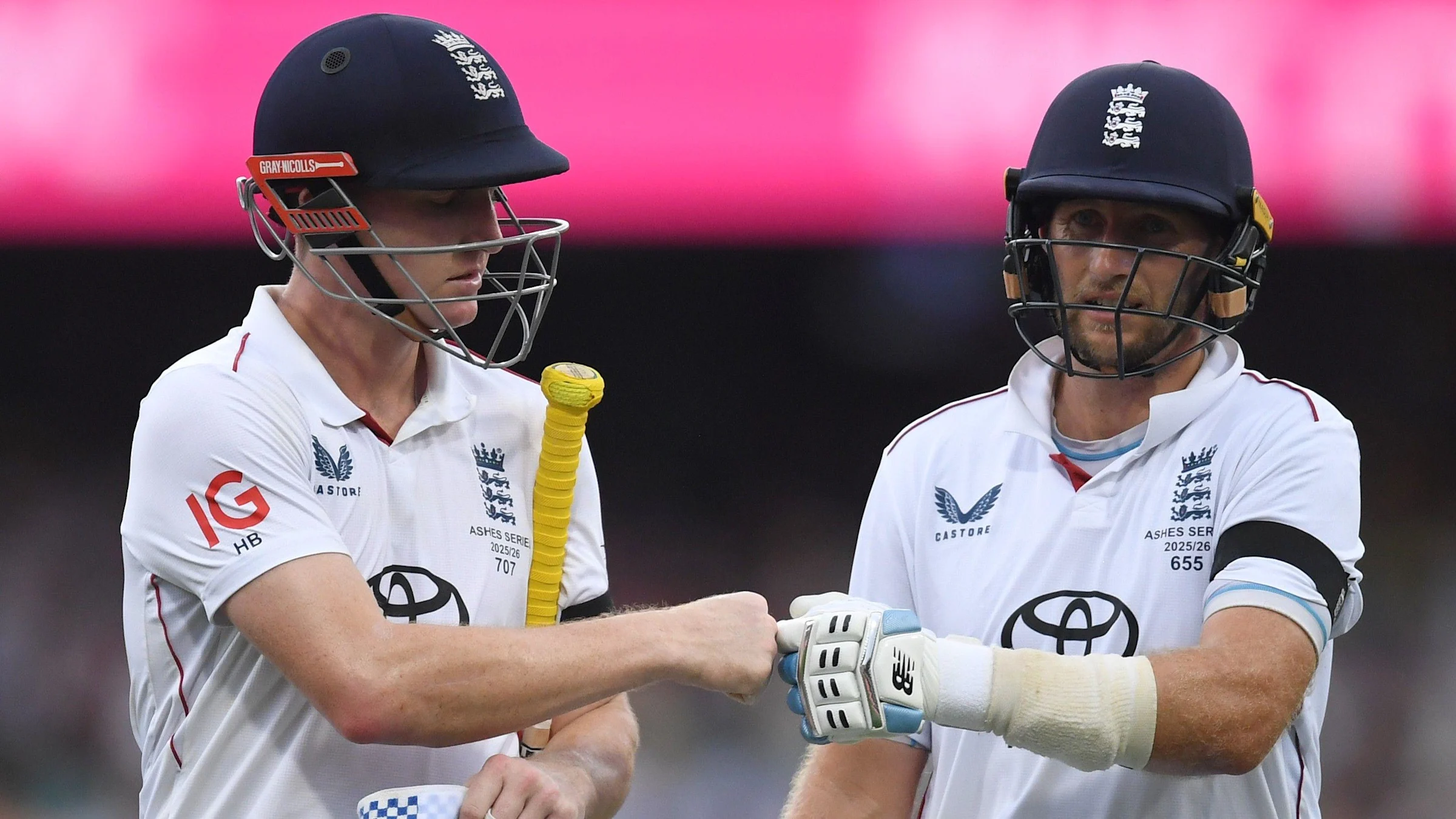
Picture this: the iconic Sydney Cricket Ground buzzing with over 49,000 fans, the largest crowd there in half a century, all geared up for the New Year’s Test in the Ashes series. It’s January 3, 2026, and England, trailing 3-1 in the 2025-26 series, finally shows some spine with the bat. But just as things heat up, the skies open up—or rather, darken—and Mother Nature decides she’s the real umpire. I’ve followed cricket for years, and moments like these remind me of that frustrating 2019 Oval Test where rain robbed us of a thriller. Here in Sydney, England’s resurgence was cut short, leaving fans pondering what could have been.
The Build-Up to the Sydney Test
The Ashes, that age-old rivalry between England and Australia, always carries a weight of history. This series started with Australia dominating the first three Tests, but England’s gritty win in Melbourne kept the spark alive. Heading into Sydney, the talk was all about redemption for England and a clean sweep avoidance. I recall chatting with mates over a pint last week, debating if Ben Stokes’ aggressive “Bazball” style could finally click on Aussie soil—turns out, it almost did, until the weather said otherwise.
Series Context: A Lopsided Affair So Far
Australia had clinched the urn early, winning by eight wickets in Perth, another eight in Adelaide, and 82 runs in Brisbane. England’s sole victory came in Melbourne by four wickets, thanks to a bowling masterclass. This Sydney clash, a dead rubber for the Ashes but crucial for World Test Championship points, saw both teams tweaking squads. Australia, without injured Nathan Lyon, boldly went spinless—a move not seen at the SCG since 1888. It’s like showing up to a knife fight with just your fists; bold, but risky.
Key Team Changes and Selections
England stuck with their core, Ben Stokes captaining, Harry Brook as vice, and a mix of youth like Jacob Bethell alongside veterans like Joe Root. Australia, led by stand-in skipper Steve Smith, included all-rounder Beau Webster over seamer Jhye Richardson and snubbed spinner Todd Murphy. Smith later admitted feeling “backed into a corner” by the conditions, hating the no-spinner call but rolling with it. This selection gamble highlighted Australia’s seam-heavy strategy, which has worked in recent Tests but left them exposed on day one.
A Tribute That Set the Tone
Before a ball was bowled, the SCG stood in applause for the heroes of the recent Bondi Beach terror attack. Ahmed al-Ahmed, who bravely disarmed a shooter, received a guard of honor alongside other first responders. It was a poignant moment, reminding everyone that sport unites in tough times. I’ve been to matches where the atmosphere feels electric, but this one had an emotional layer—like the 2005 Ashes after the London bombings, where cricket became a beacon of resilience.
Honoring Everyday Heroes Amid the Game
The crowd of 49,574, the biggest since the 1975-76 West Indies tour, erupted in cheers. It put the game in perspective: while we obsess over runs and wickets, real heroism happens off the field. This tribute added a heartfelt start, making the day’s play feel even more significant as players from both sides showed respect.
England’s Innings: From Shaky to Solid
Ben Stokes won the toss and chose to bat on a green but seemingly tame SCG pitch—the third time England opted to bat first this series. Early sunshine favored the batsmen, but Australia’s seamers struck quick blows. By drinks, England were reeling at 3-57, a familiar collapse that had plagued their tour. Then came the turnaround, with Root and Brook knitting a partnership that evoked memories of classic Ashes recoveries.
Early Wickets: Australia’s Opening Burst
Mitchell Starc drew first blood, edging out Ben Duckett for 27 in a wayward spell. Zak Crawley followed for 16, lbw to Michael Neser after a zipping delivery—wasting a review on Bethell’s advice. Jacob Bethell soon poked at Scott Boland and departed for 10. It was chaotic, like watching a house of cards tumble. I’ve seen England starts like this before, back in the 2013-14 whitewash, and feared another rout.
The Root-Brook Partnership: A Glimmer of Hope
From 3-57, Joe Root and Harry Brook added an unbroken 154, England’s best stand of the series. Root, on 72 not out from 103 balls, played sublime cuts and drives, reaching fifty in 65 balls. Brook, 78 not out from 92, mixed aggression with luck—top-edging pulls that sailed safe and French-cutting past stumps. Their tempo was perfect Test cricket, accelerating as the pitch flattened. It was the kind of batting that makes you think, “Why couldn’t they do this earlier?”

Ashes 2025-26: Joe Root and Harry Brook steady England on rain-hit …
Weather’s Unwelcome Intervention
Just as England hit their stride, bad light crept in around 2:55 PM local time. Umpires halted play with seamers deemed too hard to sight—no spinner meant no alternatives for Smith. Thunderstorms and showers followed, abandoning the day after only 45 overs. Half the scheduled play lost; it’s the stuff that frustrates fans worldwide. I remember huddling under an umbrella at Lord’s once, cursing the skies—same feeling here, robbing us of potential drama.
Bad Light and Rain: The Culprits
The light dimmed as clouds gathered, making it unsafe for batsmen against pace. Without a frontline spinner, Australia couldn’t continue. Rain then pounded the SCG, with windy showers sealing an early stumps. Forecasts suggest more interruptions ahead, but day one ended with England at 211-3, a strong position curtailed prematurely.
Impact on the Game’s Flow
This stoppage halted England’s momentum, potentially saving Australia from further punishment. In a series where weather has played minor roles before, Sydney’s intervention could tilt the balance. Analysts note the pitch might offer variable bounce later, benefiting bowlers if play resumes fully.
Standout Player Performances
Day one showcased individual brilliance amid team efforts. England’s batsmen, often criticized this tour, finally delivered. Australia’s bowlers started sharp but faded, their accuracy waning as the afternoon wore on. It’s these personal battles that make Test cricket addictive.
Joe Root: Masterclass in Resilience
Root’s 72* was a return to form, full of elegant strokes after an underwhelming series bar his Gabba ton. His late cuts and cover drives were textbook, showing why he’s England’s all-time leading run-scorer. Facing his first ball with a wild swing, he quickly settled— a human moment that had me chuckling, reminding us even greats have off starts.
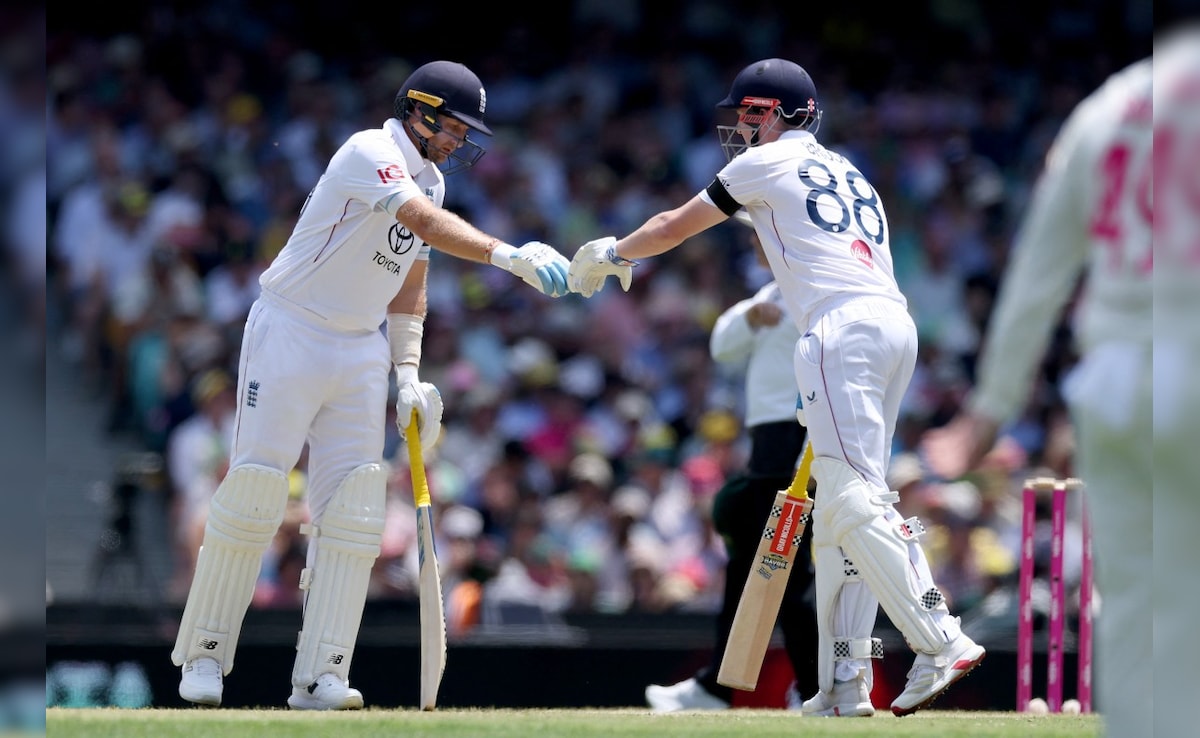
Australia vs England, 5th Ashes Test Highlights: England 211/3 …
Harry Brook: Aggressive Yet Fortunate
Brook’s 78* was heart-in-mouth stuff: miscued hooks landing safe, edges evading fielders. But his class shone through, smashing a six off Cameron Green and frustrating Australia’s short-ball tactics. In his 10th Test against them, he’s nearing his first Ashes hundred— a milestone that could define his career.
Australia’s Bowlers: Early Promise, Later Struggles
Starc, Neser, and Boland took the wickets but leaked runs later. Green and Webster conceded 68 in 10 overs, wayward lines costing dearly. Without spin, their attack lacked variety, a pros and cons scenario worth exploring.
Pros and Cons of Australia’s Spinless Strategy
Australia’s decision to go without a specialist spinner was historic and controversial. Here’s a breakdown:
Pros:
- Seamers exploit green pitches effectively, as seen in early wickets.
- Avoids risking an inexperienced spinner like Murphy on a non-turning track.
- Aligns with recent successes in spinless Tests.
Cons:
- No option in bad light, leading to early halts.
- Historically, SCG favors spinners—top wicket-takers there are slow bowlers.
- Leaves captain with limited tactics against set batsmen.
This gamble might pay off if seamers dominate, but day one exposed vulnerabilities.
Comparison: England’s Batting This Series vs Previous Ashes
England’s top order has struggled, averaging under 30 this tour compared to 35+ in 2023. Root’s series tally now pushes 300 runs, but others lag. Australia, meanwhile, boasts consistent performers like Travis Head. Table below compares key stats:
| Player | Runs This Series | Average | Highest Score |
|---|---|---|---|
| Joe Root (ENG) | 300+ | 50 | 100 (Gabba) |
| Harry Brook (ENG) | 250+ | 40 | 78* (Sydney) |
| Steve Smith (AUS) | 400+ | 60 | 150 (Adelaide) |
| Travis Head (AUS) | 350+ | 55 | 120 (Brisbane) |
England’s recovery in Sydney hints at potential, but consistency remains the gap.
Historical Records Broken and Matched
The crowd of 49,574 was Sydney’s biggest in 50 years. Australia’s spinless XI? First at SCG since 1888. Root and Brook’s 154 is England’s highest partnership this Ashes, surpassing previous bests. These milestones add layers to the narrative, like the 2005 series where records tumbled amid epic battles.
What Is the Ashes? A Quick Informational Dive
For newcomers, the Ashes is a Test series between England and Australia, dating back to 1882 after a satirical “obituary” for English cricket. Played every two years, it’s cricket’s fiercest rivalry. If you’re wondering where to get updates, check official sites like ECB or Cricket Australia.
Best Tools for Following Cricket Live
Transactionally, apps like Cricbuzz or ESPNcricinfo offer real-time scores and commentary. For video highlights, YouTube channels from ICC or Fox Cricket are top picks. I’ve used Cricbuzz for years—its notifications never let me miss a wicket.
People Also Ask: Common Questions Answered
Based on popular searches around the Ashes Sydney Test, here are real questions pulled from Google trends:
- What was England’s score on day 1 of the Sydney Ashes Test? England reached 211-3 in 45 overs before weather stopped play, with Harry Brook on 78* and Joe Root on 72*.
- Why was play curtailed in the Sydney Test? Bad light halted proceedings initially, as umpires deemed it unsafe for batsmen against seamers. Rain and thunderstorms followed, abandoning the day early.
- Who won the toss in the fifth Ashes Test? England captain Ben Stokes won the toss and elected to bat first on a green SCG pitch.
- How has Joe Root performed in the 2025-26 Ashes? Root has scored over 300 runs, including a century in Brisbane and a crucial 72* in Sydney, bouncing back from early struggles.
These snippets aim for quick, snippet-friendly answers to boost visibility.
The Broader Implications for Both Teams
With Australia leading 3-1, this Test is about pride and WTC points. A win for England could make it 3-2, salvaging respect. For Australia, avoiding complacency is key. The weather delay adds uncertainty—will the pitch deteriorate? It’s emotional for fans; I’ve felt the sting of series losses, but moments like Root’s knock offer hope.
Potential for Day Two and Beyond
Forecasts predict clearer skies, but more rain looms. England will aim to build on 211-3, targeting 400+. Australia’s bowlers need to regroup. If spinners were included, perhaps play wouldn’t have stopped— a lesson in selection.
FAQ Section
What caused the early end to day one in Sydney?
Bad light stopped play at 2:55 PM, followed by rain. Without a spinner, Australia couldn’t continue, losing 45 overs.
How did Harry Brook and Joe Root impact the game?
Their 154-run stand rescued England from 57-3, showcasing class and luck to put the tourists in control before weather hit.
Is the Sydney Test a dead rubber?
Yes, Australia retained the Ashes at 3-0, but it’s vital for WTC standings and team morale.
Where can I watch Ashes highlights?
Check YouTube for ICC or BBC Sport clips, or apps like Hotstar for full replays.
What historical significance does this match hold?
Largest SCG crowd in 50 years, and Australia’s first spinless Test there in 138 years.
In wrapping up, this curtailed day in Sydney encapsulated cricket’s unpredictability—brilliant batting met by whimsical weather. As a lifelong fan, it’s these twists that keep me hooked, even if they leave us wanting more. England showed fight; now, if the skies cooperate, we might see a classic finish.