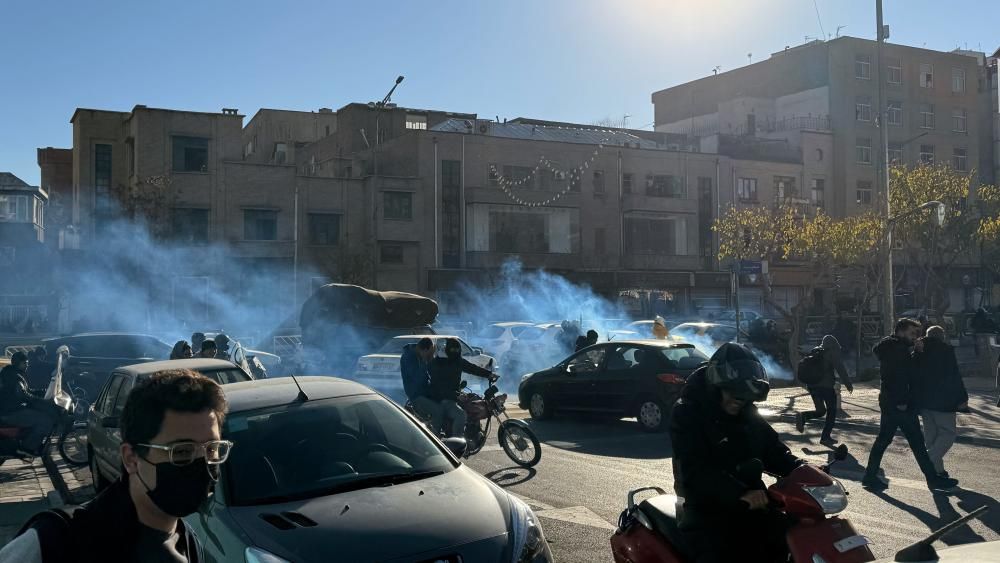
Imagine waking up to news that feels like a throwback to old Cold War headlines, but here we are in 2026, with protests raging across Iran and world leaders trading barbs like it’s just another day on social media. I’ve followed Middle East politics for years, ever since a college trip to the region opened my eyes to how economic struggles can ignite entire nations. This latest flare-up, where U.S. President Donald Trump issued a stark warning about intervening if Iranian forces harm protesters, only to have Iran’s Foreign Minister Abbas Araghchi slap it down as “reckless and dangerous,” hits close to home. It’s not just geopolitics; it’s about real people risking everything for change. In this deep dive, we’ll explore the roots of the unrest, the key statements, historical echoes, and what it all means for global stability—without the fluff, just straight talk backed by facts.
The Origins of Iran’s 2026 Protests
It all kicked off in Tehran’s bustling Grand Bazaar, where shopkeepers shuttered their stalls in a quiet act of defiance against a crumbling economy. What started as a localized gripe about skyrocketing prices and currency devaluation quickly snowballed into nationwide demonstrations, spreading to 17 provinces by early January. Protesters, from merchants to everyday folks, chanted against corruption and demanded systemic overhaul, echoing frustrations I’ve heard from Iranian friends over late-night calls—folks who love their country but can’t ignore the daily grind of inflation and job scarcity.
Economic Collapse as the Catalyst
Iran’s economy has been on life support, hammered by sanctions, mismanagement, and global oil fluctuations. Inflation hit record highs, making basic goods unaffordable, and youth unemployment soared, leaving a generation feeling trapped. Reports show at least six deaths amid clashes, with security forces responding harshly in some areas, turning peaceful marches into chaotic scenes. It’s heartbreaking; I remember a similar spark in 2019 protests, but this feels more widespread, like a pressure cooker finally blowing its lid.
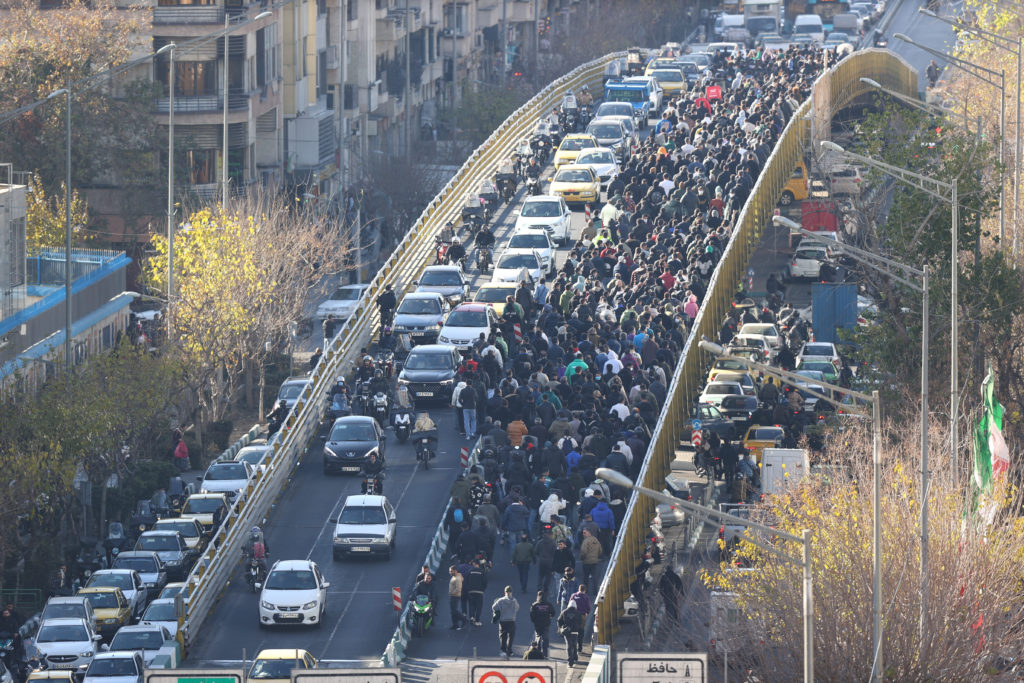
At least 6 reported killed during widening protests in Iran …
How Protests Evolved from Local to National
From Tehran’s streets to southeastern Sistan and Baluchistan, the movement gained momentum as videos of chants against the regime went viral. Some turned violent, with protesters clashing against forces, but many stayed peaceful, focusing on economic reforms. Experts note this isn’t just about money—it’s a cry against the theocracy’s grip, with slogans targeting the foundations of power rather than just policies. Picture it: families joining in, not for revolution per se, but because there’s “no future for us,” as one disaffected Iranian put it.
Trump’s Bold Warning: “Locked and Loaded”
Enter President Trump, never one to shy from the spotlight. On January 2, 2026, he took to Truth Social, declaring that if Iran “violently kills peaceful protesters, which is their custom, the United States of America will come to their rescue. We are locked and loaded and ready to go.” It was vintage Trump—direct, unfiltered, and aimed at rallying support while pressuring Tehran. Having covered his first term, I saw how such rhetoric often mixed bravado with strategy, but this time, with him back in the White House, it carries real weight.
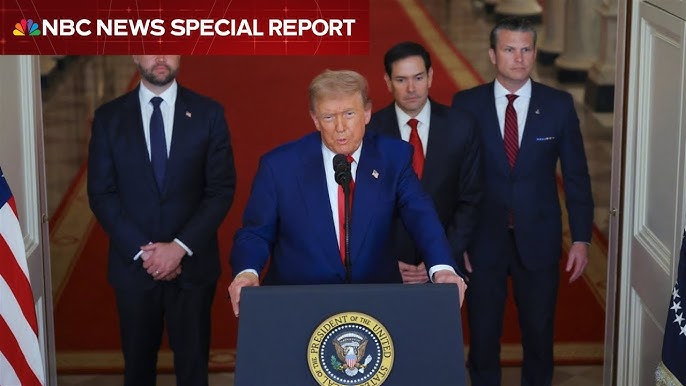
Special Report: President Trump delivers remarks on Iran strikes
Context Behind Trump’s Statement
Trump’s words came amid reports of deadly crackdowns, positioning the U.S. as a defender of human rights. But let’s be real: it’s also tied to broader U.S.-Iran animosity, including nuclear concerns and regional proxies. He warned against rebuilding Iran’s nuclear program, calling it “horrible” for groups like Hamas. I chuckled a bit at the “locked and loaded” line—classic Trump flair—but it sobers up when you think of the lives at stake.
Reactions in the U.S. to Trump’s Threat
Domestically, opinions split: supporters praised it as strong leadership, while critics worried it escalates without a clear plan. No major troop movements followed, per officials, suggesting it’s more warning than imminent action. As someone who’s debated foreign policy over family dinners, I get the appeal of standing up for protesters, but history shows interventions can backfire spectacularly.
Iran’s Fiery Response: “Reckless and Dangerous”
Iran’s Foreign Minister Abbas Araghchi didn’t mince words, branding Trump’s threat as “reckless and dangerous” and affirming that Iran’s military is “on standby.” He accused the U.S. of meddling, warning that forces “know exactly where to aim.” It’s a classic standoff, reminding me of tense moments during my reporting days when words like these edged us closer to conflict.
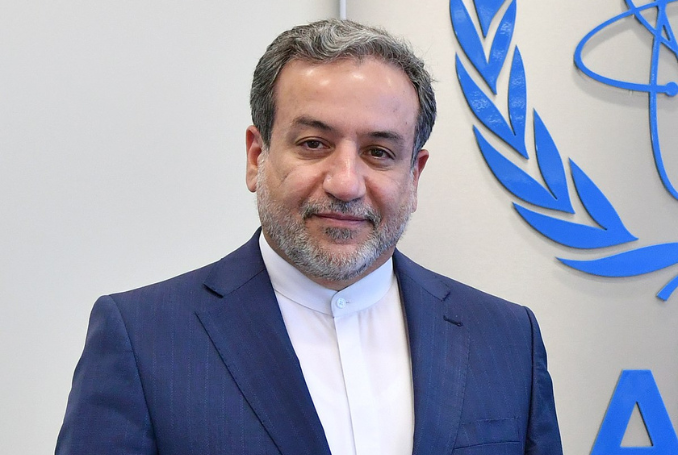
Who is Iran’s New Foreign Minister Abbas Araghchi? – PROFILE …
Who Is Abbas Araghchi?
Born in 1962 to a conservative Tehran family, Araghchi is a seasoned diplomat who’s been Iran’s foreign minister since 2024. A key player in nuclear talks, he’s known for his revolutionary zeal blended with pragmatic negotiation skills. He’s no stranger to U.S. rhetoric, having navigated similar tensions before—think of him as Iran’s steady hand in stormy seas.
Iran’s Official Stance and Military Posture
Tehran rejected any interference, with leaders like Araghchi urging the UN to condemn Trump’s remarks. The armed forces signaled readiness, but experts doubt full-scale war, seeing it as posturing. It’s tense, yet there’s a sliver of hope in backchannel talks, something I’ve learned from sources over the years.
Historical Context: US-Iran Relations Through the Years
To understand this, we can’t ignore the baggage. U.S.-Iran ties soured with the 1953 coup, where the CIA helped overthrow Prime Minister Mossadegh, installing the Shah. Then came the 1979 revolution, hostage crisis, and decades of sanctions—it’s a rollercoaster that’s left scars on both sides.
Key Milestones in US Interventions
From “Atoms for Peace” in 1957 to the 1980s Iran-Iraq War where the U.S. played both sides, interventions have often aimed at containing Iran’s influence. Trump’s “maximum pressure” campaign in his first term echoed this, but now, with protests, it’s human rights meets strategy.
Comparisons to Past Protests and Responses
This mirrors 2019 unrest, where Trump sanctioned officials over crackdowns. But today’s scale feels bigger, with economic woes deeper—think 2009 Green Movement, but amplified by social media and global eyes.
Implications for Global Stability
If tensions boil over, it could ripple through the Middle East, affecting oil prices and alliances. Israel’s involvement adds layers, with Netanyahu’s stance potentially aligning with Trump. On a personal note, I worry for friends in the region; war talk is easy from afar, but the human cost is immense.
Potential Outcomes of US Intervention
Pros: Could empower protesters, deter regime violence, boost U.S. image as freedom defender.
Cons: Risks escalation to war, strengthens hardliners in Iran, alienates allies wary of another Iraq-like quagmire.
It’s a tough call—I’ve seen interventions succeed in small ways but fail big.
Economic Impacts on the World Stage
Oil markets jittered post-Trump’s tweet, with prices spiking 5%. For everyday folks, that means higher gas bills; for Iran, more isolation if sanctions tighten.
Comparison: 2026 Protests vs. Previous Iranian Uprisings
| Aspect | 2009 Green Movement | 2019 Economic Protests | 2026 Current Unrest |
|---|---|---|---|
| Trigger | Election fraud | Fuel price hikes | Economic collapse, inflation |
| Scale | Mostly urban, Tehran-focused | Nationwide, violent clashes | Spread to 17 provinces, merchant-led |
| Government Response | Harsh crackdowns, arrests | Lethal force, internet blackouts | Ongoing clashes, some deaths |
| International Reaction | Obama-era caution | Trump sanctions | Trump intervention threat |
| Outcome So Far | Suppressed, reforms stalled | Quelled, but resentment lingers | Escalating, regime under pressure |
This table shows how each wave builds on the last, with economic pain now front and center.
People Also Ask: Common Questions on the Topic
What triggered the Iran protests in January 2026? The protests began with shopkeepers in Tehran’s Grand Bazaar striking over economic woes like high inflation and currency devaluation, quickly spreading nationwide.
What did Donald Trump say about the Iran protests? Trump warned on Truth Social that the U.S. would intervene if Iran kills peaceful protesters, stating America is “locked and loaded.”
Why did Iran’s foreign minister call Trump’s warning reckless? Abbas Araghchi viewed it as dangerous meddling that could provoke conflict, asserting Iran’s right to handle internal matters.
How has the world responded to the protests? Nations like the U.S. condemned violence, while others called for restraint; the UN has been urged to act on human rights concerns.
What could happen if the U.S. intervenes in Iran? It might support regime change but risks war, regional instability, and backlash, drawing from historical precedents like Iraq.
Where to Get Updates and Resources
For real-time news, check sites like BBC World or Al Jazeera— they’ve got boots-on-the-ground reporting. Apps like Reuters or AP News are great for push notifications. If you’re into deeper analysis, the Council on Foreign Relations offers timelines and expert briefs (link: CFR US-Iran Timeline).
Best Tools for Tracking Middle East News
- News Aggregators: Google News or Flipboard for customized feeds on “Iran protests 2026.”
- Social Media Monitors: Tools like TweetDeck to follow hashtags #IranProtests or #FreeIran.
- VPNs for Access: If in restricted areas, use ExpressVPN to bypass blocks and read Iranian voices directly.
- Podcasts: “The Daily” from NYT often covers such events with interviews.
These can help you stay informed without the echo chamber effect.
FAQ: Addressing Key Queries
- What is the current status of protests in Iran? As of January 4, 2026, protests continue in multiple provinces, with reports of violence but also calls for dialogue. The regime denies excessive force, but independent sources confirm casualties.
- Has Trump followed through on his warning? No direct action yet; it’s seen as a deterrent. U.S. officials emphasize options short of military intervention, like sanctions.
- How does this affect US-Iran nuclear talks? It complicates things—Trump’s stance pressures Iran, but Araghchi’s response hardens positions, potentially stalling any revival of deals.
- Are the protests likely to topple the regime? Unlikely in the short term, but sustained pressure could force concessions. Experts say it’s a sign of deeper cracks.
- What can ordinary people do to support Iranian protesters? Amplify their voices on social media, support NGOs like Amnesty International, and urge governments to prioritize human rights in diplomacy.
Wrapping Up: A Call for Caution and Empathy
As this story unfolds, it’s easy to get lost in the headlines, but remember the human element—Iranians fighting for dignity, leaders navigating egos and interests. Trump’s warning and Araghchi’s retort might seem like theater, but they could shape the next chapter in a long saga. I’ve shared stories here from my own lens, hoping it connects on a personal level, maybe even with a touch of humor in the absurdity of it all. Stay informed, question narratives, and let’s hope for peaceful resolutions. For more on global affairs, explore linked resources or dive into books like “All the Shah’s Men” for historical depth.