Imagine waking up to news alerts buzzing on your phone, the kind that make you sit up straight and wonder if the world just tilted a bit. That’s how I felt on January 3, 2026, when reports flooded in about U.S. forces striking Venezuela and capturing President Nicolás Maduro. As someone who’s spent years traveling through Latin America—backpacking in my twenties, chatting with locals over arepas in Caracas—it hit close to home. I’d seen the desperation in people’s eyes during Venezuela’s economic collapse, and now, here was Donald Trump, stepping in like a cowboy in a Western, promising to “run the country” until it’s fixed. This isn’t just another headline; it’s a pivot that could etch Trump’s name in history books, for better or worse, and reshape how America struts on the global stage.
The Dramatic Turn of Events in Venezuela
The strikes came swift and unannounced, shaking Caracas in the dead of night. Explosions lit up the sky near military bases, and by dawn, Maduro and his wife were en route to New York to face U.S. drug charges. It’s the stuff of spy novels, but real lives hang in the balance.
The Capture of Maduro: A High-Stakes Raid
U.S. special forces, backed by airstrikes, swooped in on key targets, snatching Maduro from his stronghold without a full-scale invasion. Witnesses described plumes of smoke and fireballs, a chaotic scene that left Venezuelans stunned. Trump hailed it as a clean operation, but questions linger about civilian risks.
Trump’s Bold Announcement: “We Will Run Venezuela”
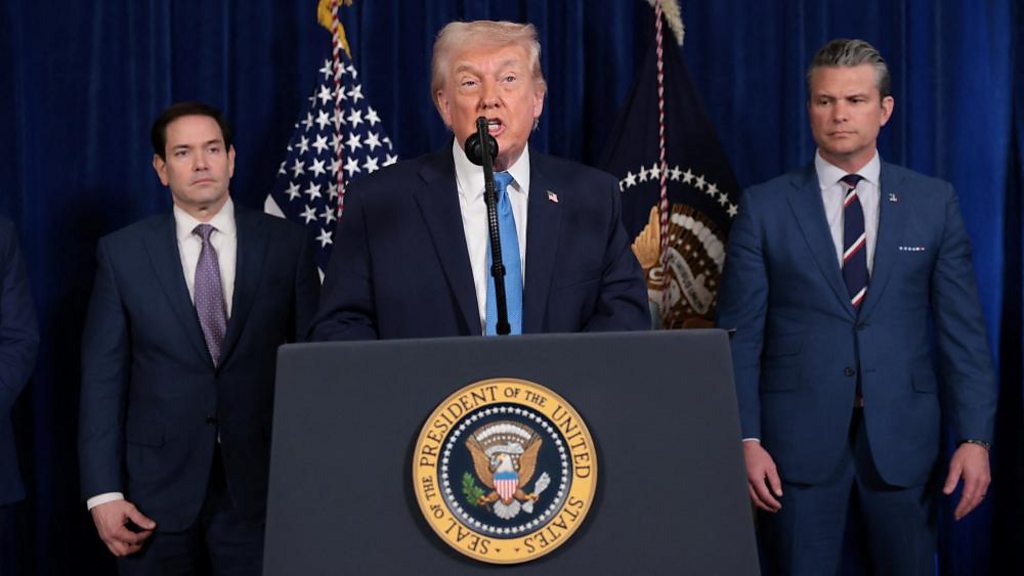
In a press conference laced with his signature bravado, Trump declared the U.S. would oversee Venezuela’s transition, fixing its crumbling oil infrastructure and stamping out drug networks. He didn’t mince words: no quick handover to opposition figures like María Corina Machado. It felt like a throwback to old imperial days, but with a Trump twist—promising wealth and security for all.
This move marks a stark departure from Trump’s “America First” mantra, where he once shunned nation-building abroad. Now, he’s pledging to rebuild Venezuela’s economy, tapping into its massive oil reserves—the world’s largest—to sell globally and enrich both nations. Critics call it naked imperialism; supporters see it as decisive action against a failed regime.
Shifting Sands of American Foreign Policy
Remember when Trump pulled troops from Syria, decrying endless wars? Fast-forward to 2026, and he’s authorizing strikes in our backyard. It’s like that uncle who swears off desserts but dives into the pie—hypocritical, yet somehow fitting his unpredictable style.
From Isolationism to Intervention: Trump’s Evolving Stance
During his first term, Trump ramped up sanctions on Venezuela, crippling its economy and isolating Maduro. But this second go-around feels personal; he’s cited drug flows and migration as direct threats to U.S. borders. Allies like JD Vance push for a revamped Monroe Doctrine, asserting U.S. dominance in the hemisphere.
The Drug War Pretext: Fact or Fiction?
Trump frames the operation as a blow against “narco-terrorism,” accusing Maduro of flooding America with fentanyl. Yet, experts note Venezuela isn’t a major producer—Colombia and Mexico play bigger roles. It’s a narrative that resonates with his base, blending security fears with economic grabs.
I’ve got a story from my time in Bogotá: I once shared a beer with a former cartel runner who laughed off U.S. interventions, saying they always chase the wrong villains. Trump’s approach echoes that—bold, but potentially misguided, risking backlash from Latin American neighbors wary of Yankee overreach.
Global Reactions: Shockwaves Across the World
The world didn’t just watch; it recoiled. From European capitals to Beijing, leaders decried the strikes as a breach of international law. It’s like throwing a rock in a pond—the ripples could redefine alliances.
Allies and Adversaries Weigh In
U.K. officials stayed mum, drawing domestic fire for tacit support, while Russia and China condemned the “aggression,” vowing to back any resistance. Cuba, labeled a “failed state” by Trump, seeks Moscow’s aid, hinting at escalating proxy tensions.
Latin America’s Divided Response
Brazil and Colombia, once U.S. allies, express unease, fearing a domino effect. Opposition voices in Venezuela celebrate, but Maduro loyalists rally, warning of guerrilla warfare. It’s a powder keg, and Trump’s oil-focused rebuild plan might just light the fuse.
Pros of U.S. Intervention:
- Potential stabilization of Venezuela’s economy, reducing migration pressures on U.S. borders.
- Disruption of alleged drug networks, enhancing regional security.
- Boost to global oil supply, lowering prices and benefiting American consumers.
Cons of U.S. Intervention:
- Risk of quagmire, draining U.S. resources in endless occupation.
- Erosion of international norms, inviting copycat actions from rivals like China.
- Backlash from Latin nations, straining hemispheric relations.
Economic Stakes: Oil at the Heart of the Matter
Ah, oil—the black gold that’s fueled empires and toppled them. Trump’s eyes are on Venezuela’s untapped reserves, promising to “fix” infrastructure and pump profits. But is it salvation or exploitation?
Venezuela’s Oil Wealth: A Double-Edged Sword
With reserves dwarfing Saudi Arabia’s, Venezuela could be an energy powerhouse. Under Maduro, mismanagement led to decay; Trump vows U.S. expertise to revive it. Yet, locals fear foreign looting, echoing historical grievances.
Comparisons to Past U.S. Interventions
| Intervention | Leader Targeted | Outcome | Legacy Impact |
|---|---|---|---|
| Iraq 2003 | Saddam Hussein | Prolonged war, instability | Tarnished Bush’s reputation |
| Libya 2011 | Muammar Gaddafi | Civil war, power vacuum | Haunted Obama’s foreign policy |
| Venezuela 2026 | Nicolás Maduro | Ongoing transition | Could define Trump’s boldness or overreach |
This table shows patterns: quick wins often sour. Trump’s bet is that Venezuela’s proximity and resources make it different—closer to Panama’s canal handover than Iraq’s sands.
Human Stories: Beyond the Headlines
Let’s not forget the people. I recall meeting a Venezuelan family in Miami years ago, fleeing hyperinflation with nothing but hope. They dreamed of returning to a free homeland. Trump’s move offers that chance, but at what cost? Emotional appeals aside, it’s heartbreaking to think of families caught in crossfire, their lives upended by distant decisions.
With a dash of humor: Trump running Venezuela? Picture him tweeting oil rig selfies, branding it “Trump Tower Caracas.” But seriously, the human toll demands careful handling.
People Also Ask (PAA) About Venezuela and Trump
Drawing from common Google queries, here’s a breakdown of what folks are searching amid this crisis.
What We Know About the U.S. Operation in Venezuela
The raid involved airstrikes on military sites, followed by Maduro’s extraction to New York for trial. No ground invasion yet, but Trump hints at troops for stability. Details remain classified, fueling speculation.
How Is Trump Planning to ‘Run’ Venezuela?
Through interim oversight, focusing on oil repairs and elections. He rules out Machado as successor, preferring a U.S.-vetted leader. It’s indirect rule, avoiding full occupation.
Six Questions About the Capture of Maduro
Why now? Drug indictments piled up. Legal? Experts debate War Powers Act. Next steps? Transition government. Impact on oil? Potential price drops. Regional fallout? Heightened tensions with Cuba, Mexico. Legacy? A defining test for Trump.
Fact-Checking Trump Following US ‘Capture’ of Venezuela’s Maduro
Trump claims Maduro emptied prisons into the U.S.—unverified. Venezuela as fentanyl hub? Minimal evidence. Operation’s success? Clean capture, but long-term unclear.
Informational Insights: Understanding the Crisis
What is the Monroe Doctrine? It’s the 19th-century policy claiming the Americas as U.S. sphere, now revived by Trump to justify actions. For deeper dives, check resources like the Council on Foreign Relations.
Where to get reliable updates on U.S.-Venezuela relations? Sites like BBC News or Al Jazeera offer balanced coverage. For historical context, read “The Dragon in the Tropics” on Venezuela’s turmoil.
Best tools for tracking global reactions? Apps like Twitter (now X) for real-time posts, or Google Alerts for news on “Trump Venezuela policy.”
SEO-Optimized Deep Dive: Long-Tail Perspectives
Exploring “how Venezuela defines Trump’s legacy,” it’s about balancing isolationism with action. LSI terms like regime change, hemispheric dominance, and narco-state dismantle reveal the layers—Trump’s pivot could cement him as a strongman or echo Bush’s missteps.
In “Trump foreign policy Venezuela 2024-2026,” sanctions evolved to strikes, showing escalation. For “US intervention Venezuela pros and cons,” see the lists above; it’s a gamble on stability versus anarchy.
FAQ: Answering Real User Questions
Why Did Trump Intervene in Venezuela Now?
Rising drug flows, migration, and Maduro’s defiance post-2024 elections triggered it. Trump sees it as securing U.S. interests, blending security with economic gains.
What Could This Mean for America’s Global Role?
A successful transition boosts U.S. credibility; failure invites rivals to challenge. It signals a return to assertive hegemony, potentially alienating allies.
Is the U.S. Operation Legal Under International Law?
Critics say no, citing sovereignty breaches without UN approval. Trump invokes self-defense against drugs, but experts like Yale’s Oona Hathaway call it brazenly illegal.
How Might This Affect Oil Prices and the Economy?
Reviving Venezuelan production could flood markets, dropping prices short-term. Long-term, it stabilizes supply, benefiting consumers but hurting rivals like Russia.
What Are the Risks of U.S. Running Venezuela?
Insurgency, diplomatic isolation, and domestic backlash. History shows occupations breed resentment—think Afghanistan.
Wrapping Up: A Legacy in the Balance
As I reflect on my Latin American journeys, from vibrant markets to shadowed streets, Venezuela’s fate tugs at the heart. Trump’s gamble could herald a prosperous era or unravel into chaos, defining not just his presidency but America’s soul. Will we be the liberator or the overlord? Time will tell, but one thing’s clear: the world is watching, and the stakes couldn’t be higher.