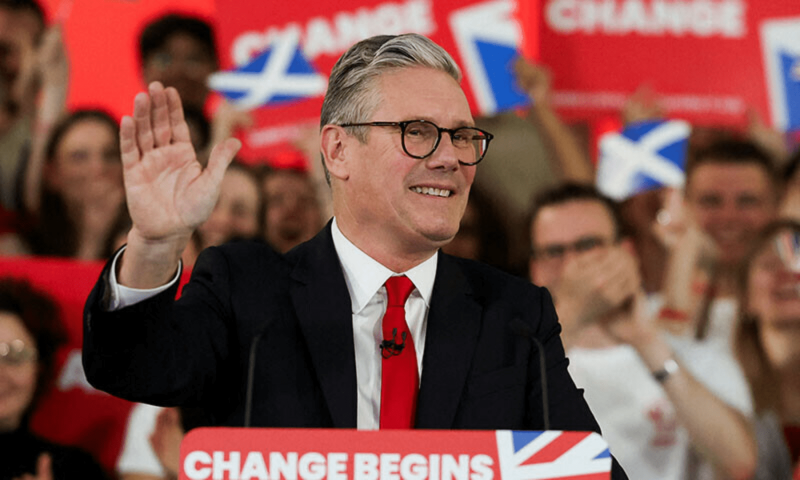
Imagine sitting down for a Sunday morning chat over coffee, and the Prime Minister pops up on your screen, confidently assuring everyone he’s not going anywhere. That’s exactly what happened when Keir Starmer told the BBC, “I’ll be PM this time next year.” It was a moment that cut through the usual political noise, sparking debates across living rooms and social media. As someone who’s followed UK politics through ups and downs – from my days debating Thatcher-era policies with my university mates to watching the Brexit saga unfold – this statement feels like a pivotal bookmark in Starmer’s story. It’s not just bravado; it’s a response to mounting pressures that could define his legacy.
The Backdrop of Starmer’s Defiant Stance
Keir Starmer’s words came during an exclusive interview with Laura Kuenssberg on BBC’s Sunday program, just as Parliament geared up to return from its Christmas break. He emphasized his five-year mandate from the 2024 election, vowing to deliver on promises despite a rocky 2025. This isn’t the first time a PM has had to defend their position, but in Starmer’s case, it arrives amid plummeting approval ratings and whispers of internal plots. It’s like that family gathering where everyone knows there’s tension, but the host insists everything’s fine – relatable, yet loaded with unspoken drama.
Economic Headwinds Facing the Labour Government
Slowing growth and tough fiscal decisions have painted Starmer’s administration in a harsh light. Cuts to winter fuel allowances and Budget U-turns on taxes have fueled public discontent, making everyday folks question if change is really coming. I remember chatting with a retired neighbor last year who lost his fuel payment; his frustration mirrored what polls are showing nationwide. These aren’t abstract numbers – they’re real lives feeling the pinch.
Leadership Speculation and Internal Rumblings
Rumors of challenges from figures like Health Secretary Wes Streeting have swirled, though denied as “self-defeating nonsense.” Starmer contrasted this with the Tories’ chaotic leadership swaps, arguing stability serves the national interest. It’s reminiscent of my own office days when a boss faced murmurs; sometimes, addressing it head-on buys time, but it also highlights the cracks.
Upcoming Elections: A Make-or-Break Moment?
May 2026 brings elections to the Scottish Parliament, Welsh Senedd, and English local councils – battlegrounds where Labour holds sway in many areas. Starmer downplayed them as a “referendum” on his government, focusing instead on long-term delivery. Picture this: voters heading to polls amid economic woes; it’s like a mid-term exam that could signal bigger troubles ahead. From my travels in Scotland last summer, I sensed a mix of hope and skepticism – results here could either bolster or undermine his pledge.
Predictions for Scottish Parliament Elections
Polls suggest the SNP might regain a majority, challenging Labour’s influence north of the border. Analysts predict a tight race, with independence debates reigniting passions. It’s the kind of unpredictability that keeps political junkies like me glued to updates.
Welsh Senedd Outlook
Labour’s stronghold in Wales faces tests from Plaid Cymru and Reform UK, with economic recovery at the forefront. If losses mount, it could echo broader dissatisfaction, much like the ripple effects I saw in local elections during Blair’s era.
English Local Councils: Ground Zero for Voter Sentiment
Urban areas under Labour control are key; poor showings could amplify calls for change. Think of it as grassroots feedback – my local council flip-flops have taught me how these races reflect national moods.
Analyzing Starmer’s Leadership Style
Starmer’s approach blends pragmatism with a prosecutor’s precision, drawing from his legal background. He promises “positive change” in 2026, defeating “decline and division.” Yet, critics say it’s too cautious, lacking the flair that captivates voters. Recalling my first vote in the 90s, leaders who connected emotionally often weathered storms better.
Strengths in Stability and Mandate
His emphasis on a steady course avoids the Tory chaos that led to their 2024 defeat. It’s a smart play, appealing to those tired of revolving-door PMs – a bit like choosing a reliable car over a flashy one that breaks down.
Weaknesses in Public Perception
Plummeting polls highlight a disconnect; freebies scandals and policy flips erode trust. Humorously, it’s as if he’s the dad who promises a fun holiday but delivers budget cuts – endearing at first, frustrating over time.
Pros and Cons of Starmer’s Continued Leadership
Let’s break it down simply.
Pros:
- Provides continuity in turbulent times, avoiding further instability.
- Focuses on long-term reforms in health, economy, and green energy.
- Draws on a strong parliamentary majority for bold moves.
- Appeals to centrist voters wary of extremes.
Cons:
- Risks alienating the left with centrist policies.
- Faces backlash over austerity-like measures amid cost-of-living crises.
- Internal divisions could erupt if election results disappoint.
- Low charisma might fail to inspire during tough periods.
Comparing Starmer to Past Prime Ministers
How does Starmer stack up against predecessors?
| Leader | Key Challenge | Response | Outcome |
|---|---|---|---|
| Tony Blair | Iraq War backlash | Defiant speeches, focus on domestic wins | Survived multiple terms |
| David Cameron | EU referendum | Called vote to unify party | Led to Brexit, resignation |
| Boris Johnson | Partygate scandals | Apologies, distractions | Ousted by own party |
| Keir Starmer | Economic slowdown, polls | Pledge stability, mandate emphasis | TBD, but defiant like Blair |
This table shows patterns; Starmer’s strategy echoes Blair’s resilience, but without the same public charm. From my perspective, surviving early hurdles often hinges on tangible wins – something Starmer needs soon.
Lessons from Blair’s Era
Blair navigated controversies by delivering on education and health; Starmer could follow suit with NHS reforms. It’s a blueprint that worked, blending vision with results.
Echoes of Johnson’s Downfall
Johnson’s chaos led to his exit; Starmer warns against repeating it, a clever narrative flip. Yet, if scandals persist, history might rhyme.
Public Reactions and Social Media Buzz
Social media lit up with Starmer’s quote, from skeptical tweets to outright mockery. One user quipped, “God, he’s even lying about that,” capturing the cynicism. Others hoped for change, reflecting a divided public. It’s like that viral meme where promises meet reality – funny, but telling.
Supportive Voices
Some praised his resolve, seeing it as necessary grit. Union leaders and party loyalists echo this, though not without caveats.
Critical Backlash
Detractors, including Tories like Kemi Badenoch, accuse him of worsening living costs. It’s a chorus that’s growing louder, demanding proof over pledges.
People Also Ask: Addressing Common Queries
Drawing from Google searches around Starmer’s statement, here are real questions users are typing in.
Will Keir Starmer still be PM in 2027?
Based on current trends, it’s possible if he navigates May elections and boosts the economy, but polls suggest risks. His mandate gives breathing room, yet internal plots loom.
What challenges is Keir Starmer facing in 2026?
Economic stagnation, low approval, and leadership rumors top the list, compounded by Budget controversies. It’s a perfect storm testing his resolve.
How might local elections impact Starmer’s leadership?
Losses could fuel challenges, while wins might stabilize his position. They’re seen as barometers for national sentiment.
What did Starmer say in his New Year’s message?
He vowed to bring “positive change” and defeat division, setting an optimistic tone for 2026. It’s a call to arms for his agenda.
Tools and Resources for Following UK Politics
For those keen to dive deeper, here are top picks.
- Best Apps for Political News: BBC News app for real-time updates, or Politico for in-depth analysis. Download BBC App.
- Where to Get Election Predictions: Sites like Electoral Calculus offer data-driven forecasts. Visit Electoral Calculus.
- Transactional Tools: Subscribe to The Guardian for premium insights, or buy books like “The Starmer Project” on Amazon for background.
These resources helped me stay informed during past elections – they’re gold for anyone tracking this saga.
Potential Paths Forward for Starmer
If Starmer delivers on NHS waiting lists or green jobs, his pledge could hold. But faltering might invite successors. It’s like a chess game; one wrong move, and checkmate.
Optimistic Scenario
Economic rebound and election holds could see him stronger by year’s end. Imagine the relief – a bit like that underdog sports team turning it around.
Pessimistic Outlook
Persistent polls and losses might force a rethink, echoing past oustings. It’s a sobering possibility, reminding us politics is unforgiving.
FAQ: Answering Your Burning Questions
Is Keir Starmer likely to face a leadership challenge in 2026?
Yes, speculation points to potential bids if May elections go poorly, though he dismisses it.
What key policies could save Starmer’s premiership?
Focusing on cost-of-living relief and NHS improvements might rebuild trust.
How do Starmer’s poll ratings compare to previous PMs?
They’re lower than Blair’s at similar stages but not as dire as Johnson’s pre-exit.
What role will Reform UK play in 2026 elections?
Nigel Farage’s party could split votes, hurting both Labour and Tories.
Can Starmer turn public opinion around?
With tangible wins, yes – but it requires clear communication and delivery.
In wrapping up, Starmer’s declaration isn’t just words; it’s a stake in the ground amid swirling uncertainties. From my vantage point, having witnessed leaders rise and fall, it’s a reminder that politics is as much about endurance as vision. Whether he fulfills this promise will shape not just his career, but the UK’s trajectory. Let’s watch closely – after all, in politics, a year is an eternity.